What the “Protein Everything” Trend Gets Right and Wrong.
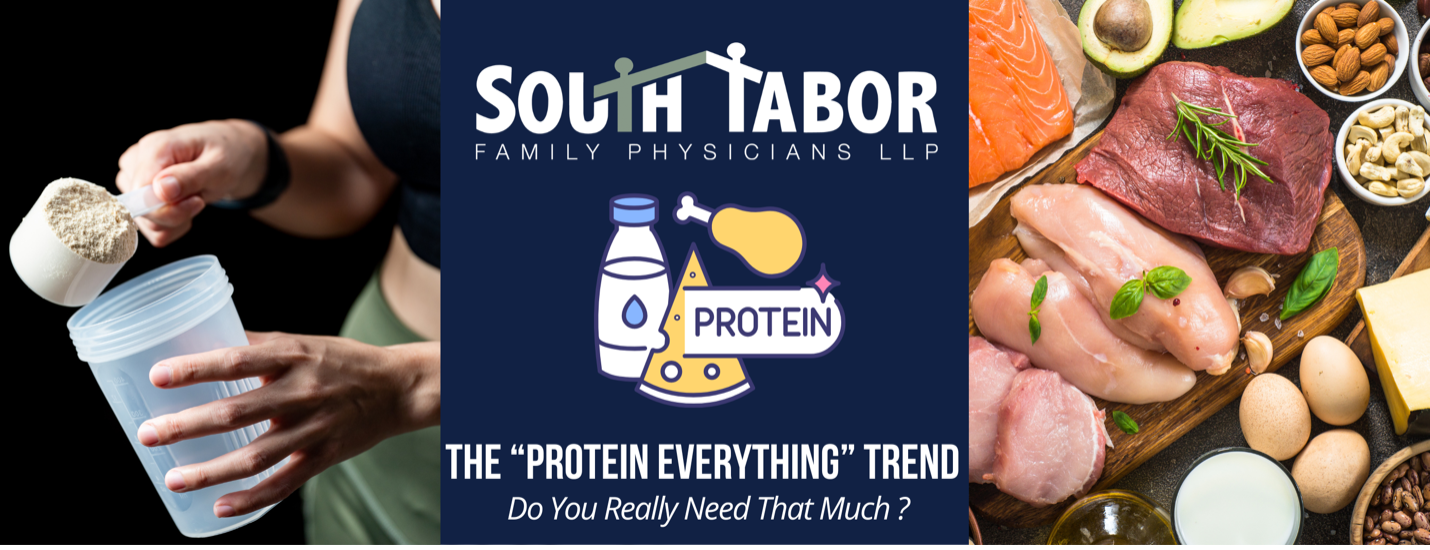
Protein is having a moment. Walk through almost any grocery store and you’ll find high-protein versions of cereal, yogurt, pasta, snack bars, shakes, chips and even desserts. Scroll through social media and you may encounter influencers tracking their protein intake, promoting protein-packed recipes or encouraging followers to hit surprisingly high daily protein goals.
There’s good reason to pay attention to protein. Your body needs it to build and maintain muscle, repair tissue, support your immune system and perform many other essential functions.
But does adding more protein automatically make a food healthier? How much protein do you actually need? And do you need a protein shake to get enough? Like many health trends, the answer is a little more complicated than the headlines.
First, Why Is Protein So Important?
Protein is one of the three major nutrients, or macronutrients, your body needs in relatively large amounts. The others are carbohydrates and fats.
Protein is made up of amino acids that your body uses to help:
- Build and repair muscles and other tissues
- Maintain healthy skin, hair and nails
- Produce enzymes and hormones
- Support immune function
- Maintain strength and muscle mass
Unlike some wellness trends, protein really is important. The question isn’t whether you need protein. You do. The better question is: How much do you need?
How Much Protein Does the Average Adult Need?
There isn’t one perfect number for everyone. The established Recommended Dietary Allowance (RDA) for healthy adults is 0.8 grams of protein per kilogram of body weight per day. That’s about 0.36 grams per pound. As a rough example:
A 150-pound adult weighs about 68 kilograms.
68 × 0.8 = about 54 grams of protein per day.
A 180-pound adult weighs about 82 kilograms, which works out to approximately 65 grams per day.
Keep in mind that the RDA is designed to meet the nutritional needs of nearly all healthy people in a population. Individual needs can vary considerably based on age, activity level, health, pregnancy and other factors.
That’s one reason a protein target you see on social media may have very little to do with what your body actually needs.
Who Might Benefit From More Protein?
This is one area where the current protein conversation gets something right: Some people do have higher protein needs.
- Older Adults
Maintaining muscle becomes increasingly important as we age. Although the U.S. RDA remains 0.8 grams per kilogram for healthy adults, a number of expert groups recommend approximately 1.0 to 1.2 grams per kilogram per day for healthy older adults to help maintain muscle mass and physical function.
Protein becomes even more important when combined with regular physical activity, particularly strength and resistance exercises.
- People Who Exercise Regularly
If you’re regularly lifting weights, running, cycling or participating in other demanding exercise, your protein needs may be higher. Protein helps repair and rebuild muscle following exercise. Depending on the type and intensity of training, physically active people may benefit from protein intake above the standard RDA.
But that doesn’t necessarily mean you need protein powders or shakes. Many people can meet increased protein needs through food.
- People Trying to Lose Weight
Protein can help people feel full and satisfied, which may make it easier to manage hunger while reducing calories. Adequate protein may also help preserve lean muscle during weight loss, especially when combined with resistance exercise.
But simply adding protein to your existing diet doesn’t automatically cause weight loss. Calories and your overall eating pattern still matter.
Does More Protein Mean a Food Is Healthier?
Not necessarily. This may be the biggest misconception created by the current protein boom. A package labeled “20 grams of protein” can sound automatically healthy, but protein is only one part of the nutritional picture. A high-protein snack could still contain:
- Large amounts of added sugar
- Excess sodium
- Significant saturated fat
- Lots of calories
- Highly processed ingredients
- Very little fiber
Rather than looking only at the number of grams of protein on the front of the package, turn it around and look at the entire Nutrition Facts label. Ask yourself: What else am I getting with that protein?
Protein Bars and Shakes: Helpful or Just Hype?
Protein powders, bars and ready-to-drink shakes can certainly be convenient. They may be useful for people who have difficulty meeting their nutritional needs through food, athletes with higher requirements, people with busy schedules, or older adults struggling to consume enough protein.
But for most people, supplements aren’t required simply because protein is important. A balanced diet can provide plenty of protein through foods such as:
- Fish and seafood
- Chicken and other lean meats
- Eggs
- Greek yogurt and cottage cheese
- Beans and lentils
- Tofu and other soy foods
- Nuts and seeds
Whole foods also provide vitamins, minerals, fiber and other nutrients that may not be present in a protein supplement.
Don’t Forget About Plant Protein
Getting enough protein doesn’t require eating meat at every meal. Beans, lentils, peas, tofu, tempeh, nuts, seeds and other plant foods can all contribute meaningful amounts of protein to your diet.
Eating a variety of protein sources also helps provide a wider range of nutrients. An easy goal is to vary your protein routine rather than relying on the same foods every day.
What About Kids and Protein?
Children need protein to support normal growth and development, but their nutritional needs are different from those of adults.
Most children who eat a varied, balanced diet can meet their protein needs through everyday foods. Parents shouldn’t assume that a food marketed as “high protein” is automatically a better choice for a child. Looking at the entire nutritional picture, including added sugar, sodium, fiber and overall calories, is still important.
If you’re concerned that your child isn’t eating enough protein or has a very limited diet, talk with your health care provider rather than relying on adult protein recommendations found online.
Can You Get Too Much Protein?
For healthy adults, moderately high protein intake is generally well tolerated, and researchers have not established a universal upper intake limit for protein. That doesn’t mean unlimited protein is necessarily beneficial.
Very high-protein diets can crowd out other important foods, including fruits, vegetables, whole grains and other sources of dietary fiber. Depending on the foods chosen, they can also increase intake of saturated fat, sodium or excess calories.
Protein intake can be particularly important to discuss with a health care provider if you have kidney disease or certain other medical conditions, because your recommended amount may be different.
What the Protein Trend Gets Right
Protein deserves a place in a healthy diet. The current conversation has helped draw attention to several genuinely important issues:
- Protein helps maintain muscle and strength.
- Older adults may benefit from paying closer attention to protein intake.
- Active people often need more protein than sedentary adults.
- Protein can help with fullness and maintaining lean muscle during weight loss.
- Including some protein throughout the day can make it easier to meet your nutritional needs.
Those are useful messages.
What the Protein Trend Gets Wrong
Where the trend sometimes goes off course is the idea that more is always better. You don’t necessarily need:
- Protein added to every food you eat
- A shake after every workout
- Extremely high daily protein goals
- Expensive protein-enhanced snacks
- The same protein target as your favorite fitness influencer
Nutrition isn’t a contest to see who can consume the most of a single nutrient.
A Better Approach: Look at the Whole Plate
Instead of asking, “How can I add more protein?” consider asking: “Am I getting enough protein as part of an overall healthy diet?”
A balanced eating pattern includes protein along with vegetables, fruits, whole grains and other nutrient-rich foods. And when choosing protein, variety matters. USDA dietary guidance encourages people to include foods such as seafood, beans, peas and lentils, nuts and seeds, soy foods, eggs, and lean meats and poultry.
The Bottom Line
The protein trend gets one big thing right: protein matters. It supports muscle, strength, recovery and healthy aging, and some people genuinely benefit from eating more than the standard recommended amount. But more protein does not automatically mean better health.
Your ideal amount depends on your age, activity level, overall diet, health conditions and individual goals. And for many people, there’s no need to chase a huge protein number or buy a cabinet full of supplements.
Sometimes the healthiest approach is also the simplest: eat a varied diet, include quality sources of protein throughout your day, stay active and look at the whole nutritional picture rather than the latest number trending online.
If you’re wondering how much protein is right for you, your primary care provider can help you consider your overall health, lifestyle and nutritional needs.
Helpful Resources
USDA Dietary Reference Intake Calculator – Use this tool to estimate nutrient recommendations based on factors including age, height, weight and activity level. https://www.nal.usda.gov/human-nutrition-and-food-safety/dri-calculator
NIH Office of Dietary Supplements – Exercise and Athletic Performance – Learn more about protein, sports nutrition and dietary supplements. https://ods.od.nih.gov/factsheets/ExerciseAndAthleticPerformance-Consumer/
USDA MyPlate – Information about building a balanced eating pattern and choosing a variety of protein foods. https://www.myplate.gov/
South Tabor Family Physicians is conveniently located right off I-205 and are accepting new patients. Call 503-261-7200 to schedule your next visit or get to know our providers here.